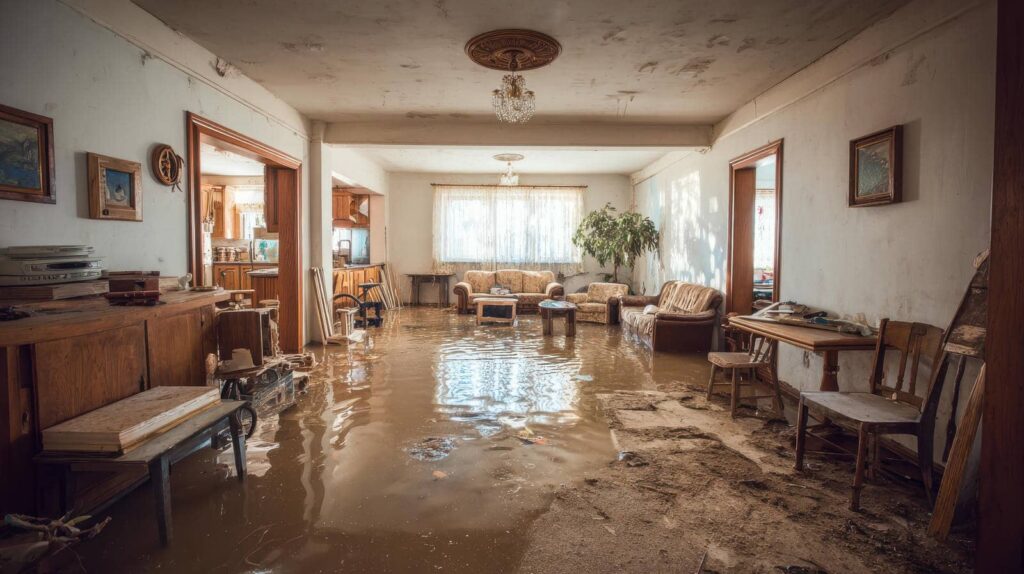
When emergency water damage occurs, responding quickly is vital to prevent further complications. You need to understand the immediate steps involved in emergency water damage restoration solutions. These procedures address visible damage and tackle hidden moisture that can lead to mold growth. Knowing how to effectively manage this situation can make a significant difference in restoration outcomes. Let’s explore the essential steps involved in this important process.
Key Takeaways
- Assess the situation for safety and identify the source of water intrusion to prioritize restoration efforts.
- Initiate water extraction immediately to eliminate standing water and prevent further damage.
- Dry affected areas thoroughly using fans and dehumidifiers to mitigate moisture and prevent mold growth.
- Inspect for hidden moisture in walls and floors to address any remaining issues effectively.
- Collaborate with certified restoration professionals for expert guidance and advanced equipment during the restoration process.
Understanding Water Damage and Its Causes
When you experience water damage, understanding its causes is essential for effective restoration. Various water sources can lead to damage, including burst pipes, leaks, and natural disasters like floods.
Each source presents unique challenges that require a thorough damage assessment to determine the extent of the impact. By identifying the origin of the water intrusion, you can prioritize restoration efforts and mitigate further damage.
It’s vital to recognize that untreated water damage can lead to mold growth and structural issues. As a result, knowing the specifics of each water source allows you to take informed actions quickly.
This knowledge fosters a sense of community, as you engage with professionals who can guide you through the restoration process with expertise and care.
The Importance of Immediate Response
Recognizing the source of water damage is just the beginning; taking swift action is key to minimizing the impact. Your response time can make all the difference in effective damage mitigation.
When water infiltrates your space, every minute counts. Rapid intervention can prevent structural issues, mold growth, and costly repairs down the line. By prioritizing immediate action, you’re not just protecting your property; you’re also safeguarding your peace of mind.
It’s crucial to have a plan in place, so you’re ready to respond promptly when disaster strikes. Collaborating with professionals who specialize in emergency water damage restoration ensures you’ll receive expert guidance, helping you navigate the complexities of the situation efficiently.
Key Steps in Emergency Water Damage Restoration
Five key steps can guide you through the emergency water damage restoration process, ensuring a systematic approach to recovery.
First, assess the situation and confirm your safety.
Next, initiate water extraction promptly to remove standing water, preventing further damage.
Following extraction, thoroughly dry affected areas using high-powered fans and dehumidifiers to mitigate moisture. This step is vital for mold prevention, as lingering dampness can lead to mold growth within 24 to 48 hours.
Finally, inspect the property for hidden moisture in walls and floors, addressing any remaining issues.
Choosing the Right Restoration Service
How can you ensure that you choose the right restoration service for your emergency water damage needs? Start by evaluating credentials—look for certifications, experience, and customer reviews. A reputable service should employ certified professionals with a proven track record in water damage restoration.
Next, don’t overlook the importance of comparing costs. While it’s tempting to go for the lowest bid, consider the value of quality service. Obtain multiple estimates and ask about the scope of work included.
Make certain that the company uses advanced equipment and techniques, as this can greatly impact the restoration outcome. Making informed choices protects your property and fosters a sense of community and belonging among those who prioritize high standards in emergency services.
Preventative Measures After Water Damage
After addressing the immediate effects of water damage, it’s crucial to implement preventative measures to mitigate future risks.
Start with thorough preventative maintenance by regularly inspecting your property for leaks, cracks, or signs of moisture accumulation. Verify proper drainage systems are in place to divert water away from your foundation.
Utilize moisture control techniques, such as dehumidifiers, to maintain ideal indoor humidity levels. Additionally, install sump pumps in flood-prone areas to provide an extra layer of protection.
Regularly clean gutters and downspouts to prevent water backup. Engaging in these practices not only safeguards your home but also fosters a sense of community responsibility.
Frequently Asked Questions
Can I Handle Water Damage Restoration Myself?
You can attempt DIY restoration, but beware of common mistakes like improper drying or neglecting hidden moisture. It’s often best to consult professionals with the equipment and expertise to ensure thorough and effective restoration.
How Long Does the Restoration Process Typically Take?
Wondering how long the restoration timeline takes? It typically spans from a few days to a couple of weeks, depending on the severity of damage and drying techniques used, ensuring your space returns to normal quickly.
Will My Insurance Cover Water Damage Restoration Costs?
Your insurance policy might cover water damage restoration costs, but it depends on your coverage limits. Review your policy details to understand what’s included and ensure you’re prepared for potential out-of-pocket expenses.
What Equipment Is Used in Water Damage Restoration?
Think of water damage restoration as a race against time. You’ll encounter water extraction pumps and specialized drying equipment, which work together to swiftly remove moisture, ensuring your property returns to its safe, livable state.
Are There Any Health Risks Associated With Water Damage?
Yes, water damage poses health risks, including mold growth, which can trigger allergies and respiratory issues. It also compromises structural integrity, increasing hazards in your environment. Addressing these concerns promptly is essential for your safety.
Summary
In emergencies, time is of the essence, and when it comes to water damage, you truly can’t afford to wait. Remember, “a stitch in time saves nine.” By understanding the causes of water damage and acting swiftly, you can minimize harm to your property. Always choose a reliable restoration service and implement preventative measures to safeguard your space. With prompt action and the right expertise, you can restore your home to its former glory and prevent future issues.