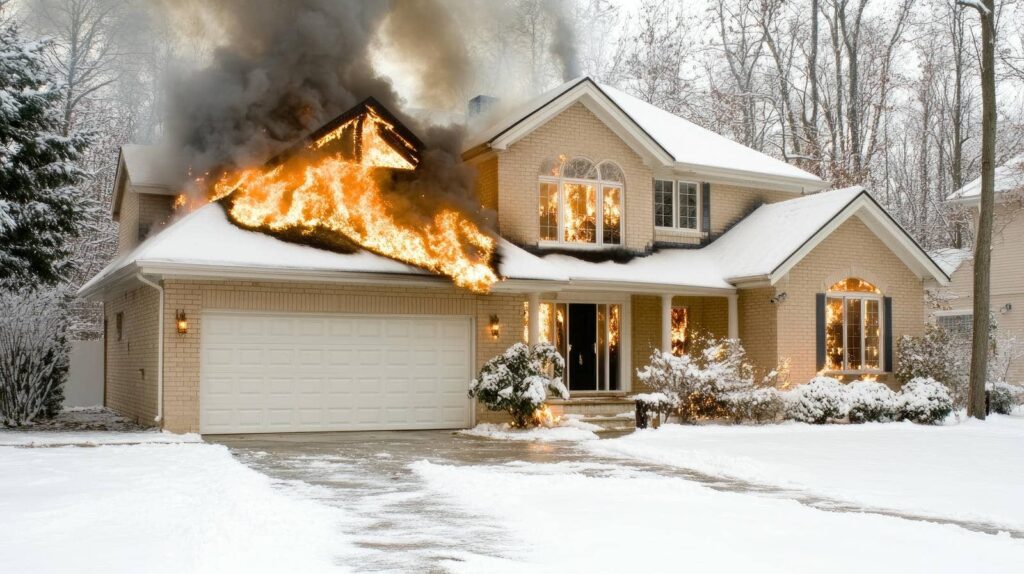
When faced with fire damage, your first step is to assess the extent of the destruction while ensuring safety. This involves checking for structural integrity and potential hazards. You’ll need specialized tools to identify hidden damage and categorize debris effectively. Understanding these initial steps is essential, as they set the stage for a systematic cleanup process. However, what follows in the cleanup strategy can greatly impact the recovery of your property.
Key Takeaways
- Conduct a thorough assessment of fire damage, focusing on structural integrity and hazardous materials before beginning cleanup.
- Safely remove debris by categorizing items as salvageable or non-salvageable and disposing of hazardous waste according to local regulations.
- Utilize specialized cleaning techniques for smoke and soot residue, including HEPA vacuums and appropriate cleaning agents for various surfaces.
- Engage professional restoration services to ensure compliance with building codes and effective repairs of structural damage.
- Maintain open communication with insurance professionals, documenting all damage and repairs for successful claims processing.
Assessing the Extent of Fire Damage
When you face fire damage, the first step is to thoroughly assess its extent.
Begin by employing fire investigation techniques to identify the source and spread of the fire. Use damage assessment tools like thermal imaging cameras to detect hidden heat sources and moisture meters to evaluate potential water damage.
Document visible damage with photographs and notes, focusing on structural integrity, electrical systems, and personal property.
Collaborate with professionals who specialize in fire damage assessment, as their expertise will enhance your understanding of the situation.
By systematically analyzing the affected areas, you’ll gather vital data that will guide your cleanup efforts.
This methodical approach ensures accurate assessment and fosters a sense of community and support among those facing similar challenges.
Ensuring Safety and Hazard Prevention
Before you begin cleanup, you need to assess the structural integrity of the building to ensure it’s safe to enter.
Identify any toxic residues, as these can pose serious health risks during the restoration process.
Always wear appropriate protective gear to shield yourself from harmful contaminants and potential hazards.
Assessing Structural Integrity
Evaluating structural integrity is crucial after a fire, as compromised buildings pose significant safety risks.
You should start with thorough structural evaluations, focusing on load-bearing walls, beams, and the foundation. Look for visible signs of damage, such as cracks or warping, and document these findings meticulously.
Next, perform integrity assessments to determine if the structure can safely support repairs or if demolition is necessary. Engage certified professionals to assist in this process; their expertise ensures you don’t overlook critical issues.
Remember, prioritizing safety during this phase protects you and your community.
Identifying Toxic Residues
Identifying toxic residues after a fire is vital for ensuring safety and preventing further health hazards.
Start by examining the affected areas for signs of toxic materials, such as soot, ash, and chemical residues. Utilize specialized tests to ensure accurate residue identification, focusing on common culprits like heavy metals, asbestos, and volatile organic compounds.
Pay attention to the materials that burned, as different substances release distinct toxins. Document your findings meticulously, as this information is vital for remediation efforts.
Engage with professionals if you’re uncertain about the safety of a material or if extensive contamination is present.
Using Protective Gear
After pinpointing toxic residues, the next step is to ensure your safety during cleanup operations.
You’ll need to equip yourself with proper protective clothing, which includes long-sleeved shirts, gloves, and durable pants to shield against sharp debris and harmful chemicals. A well-fitted respirator is essential to filter out smoke particles and volatile organic compounds.
Don’t forget eye protection; safety goggles will safeguard your vision from flying debris and irritants. Additionally, sturdy boots with slip-resistant soles are vital for traversing hazardous areas safely.
Always assess the specific risks of the environment, and ensure you have all necessary safety equipment readily available. This proactive approach not only protects you but fosters a sense of belonging within your cleanup team, showing you value everyone’s safety.
Removing Debris and Damaged Materials
While tackling the aftermath of a fire, removing debris and damaged materials is essential for restoring safety and functionality to your property.
Begin by evaluating the area, identifying hazardous materials like charred wood, insulation, or chemicals. It’s vital to wear appropriate protective gear during this process.
For effective debris removal, categorize items into salvageable and non-salvageable groups. Use heavy-duty bags or containers for transporting debris to ensure safe handling.
When it comes to material disposal, check local regulations for guidelines on disposing of hazardous waste.
Be thorough in your efforts—every piece of debris you remove contributes to a safer environment. This methodical approach clears the space, helps you regain control, and fosters a sense of belonging in your restored home.
Cleaning and Deodorizing Affected Areas
Once you’ve removed the debris, the next essential step is cleaning and deodorizing the affected areas to eliminate soot, smoke residue, and lingering odors.
Start by using appropriate cleaning agents like degreasers or enzymatic cleaners, which effectively break down stubborn residues. Apply these agents to surfaces and scrub gently, ensuring you reach all corners and crevices.
For deodorizing, consider using deodorizing techniques such as ozone generators or activated charcoal, which absorb odors without masking them.
Ventilate the area thoroughly, allowing fresh air to circulate, and repeat the cleaning process if necessary.
Restoring Structural Integrity
After a fire, you need to assess the extent of the structural damage to ensure safety and stability.
Identifying compromised areas allows you to reinforce them effectively, preventing further deterioration.
Depending on the severity, enlisting professional repair services might be necessary to restore the building’s integrity to its original state.
Assessing Damage Extent
When facing fire damage, accurately evaluating the extent of the destruction is essential to restoring structural integrity.
Start with a thorough damage assessment, as this will guide your next steps. Conduct a visual inspection to identify affected areas, paying close attention to the following:
- Structural beams and supports for signs of charring or weakening
- Walls, ceilings, and floors for cracks or signs of warping
- Electrical systems and plumbing for potential hazards
Document your findings meticulously.
This methodical approach helps you understand the full extent of the damage and ensures the safety of the restoration process.
Reinforcing Compromised Structures
Following a thorough assessment of the fire damage, it’s vital to focus on reinforcing any compromised structures to restore integrity and safety.
Begin with a structural evaluation to identify weakened areas, such as beams, columns, or walls. Utilize reinforcement techniques like steel bracing, carbon fiber strips, or additional framing to enhance load-bearing capacity.
Verify that all repairs meet local building codes and standards, as compliance is essential for safety. You might consider integrating cross-bracing or underpinning methods, which can greatly increase stability.
Document each step of your reinforcement process to maintain transparency and accountability, fostering trust among your team and community.
Professional Repair Services
To effectively restore structural integrity after fire damage, enlisting professional repair services is essential.
These specialists utilize advanced fire restoration techniques to assess and address the damage thoroughly. You’ll find their methods thorough and systematic, ensuring safety and durability.
Assessment and Planning: They conduct detailed inspections to evaluate the extent of damage and develop a strategic plan tailored to your needs.
Material Replacement: Experts replace compromised materials, ensuring that all structural elements meet safety standards.
Reinforcement Techniques: They apply specialized repair techniques, like bracing or underpinning, to restore strength and stability.
Addressing Smoke and Soot Residue
Although smoke and soot residue often linger long after a fire has been extinguished, addressing these stubborn remnants is essential for restoring your space and preventing further damage.
Start with smoke removal by ventilating the area; open windows and use fans to circulate fresh air.
Next, tackle soot cleaning by using a vacuum with a HEPA filter to capture fine particles. For surfaces, use a solution of warm water and a mild detergent; scrub gently to avoid damage.
Don’t forget to treat porous materials, as they can absorb odors. If you encounter stubborn stains, specialized cleaning agents may be necessary.
Working With Insurance and Restoration Professionals
When dealing with fire damage, working closely with insurance and restoration professionals can greatly streamline the recovery process.
These experts help you navigate the complexities of insurance claims while ensuring a thorough restoration process.
Here are key aspects to focus on:
Documentation: Keep detailed records of the damage and any repairs to support your insurance claims.
Communication: Maintain open lines with both your insurance adjuster and restoration team to avoid misunderstandings and delays.
Timeline: Understand the restoration timeline and regularly check in to ascertain progress that aligns with your expectations.
Frequently Asked Questions
How Long Does Fire Damage Cleanup Typically Take?
Fire damage cleanup typically takes days to weeks, depending on the cleanup timeline and restoration factors like damage extent, materials involved, and moisture levels. You’ll need to assess these elements for accurate timing.
What Personal Protective Equipment Is Necessary During Cleanup?
When tackling cleanup, you’ll want to don essential protective gear like gloves, respirators, and goggles. Following safety protocols ensures you’re shielded from hazards, making the process safer and more effective for everyone involved.
Can I Handle Fire Damage Cleanup Myself?
You can handle fire damage cleanup yourself, but prioritize fire safety. Familiarize yourself with restoration techniques and ensure you have proper protective equipment. It’s essential to approach this process methodically for effective and safe results.
What Are the Costs Associated With Fire Damage Restoration?
Restoration expenses can vary greatly, depending on damage severity. You’ll want to check your insurance coverage, as it often helps offset costs. Understanding these factors ensures you’re prepared for the journey ahead.
Are There Community Resources for Fire Damage Victims?
Yes, you’ll find community resources like support groups that provide emotional assistance, and organizations offering financial assistance to help with restoration costs. Connecting with these resources can help you during this challenging time.
Final Thoughts
In tackling fire damage cleanup, remember that swift action is essential. By following effective strategies like evaluating damage, ensuring safety, and collaborating with restoration experts, you can greatly improve your recovery outcomes. Prioritizing thorough cleaning and structural integrity revives your property and safeguards your health and peace of mind. Don’t underestimate the importance of a systematic approach.