After flooding, addressing mold is vital for your safety and health. You need to assess the extent of the water damage first, as hidden moisture can lead to serious issues. Wearing protective gear is also essential to shield yourself from mold exposure. But that’s just the beginning. There are several more steps you must follow to effectively manage mold remediation. Let’s explore those important tips that can make a significant difference in your recovery process.
Key Takeaways
- Conduct a thorough assessment of water damage, using moisture meters to identify hidden moisture and potential mold growth areas.
- Wear proper protective gear, including masks and gloves, to safeguard against mold spores during remediation efforts.
- Remove standing water promptly with pumps or vacuums, and enhance drying using fans and dehumidifiers to prevent mold proliferation.
- Clean and disinfect affected surfaces with EPA-approved mold removers, ensuring thorough scrubbing and monitoring for signs of regrowth.
- Consult professionals for significant mold issues, ensuring safe remediation methods and assistance with necessary insurance claims.
Assess the Extent of Water Damage
Before you can effectively address mold issues, you need to evaluate the extent of water damage in your space. Start with a thorough water damage evaluation, focusing on areas that appear damp or discolored.
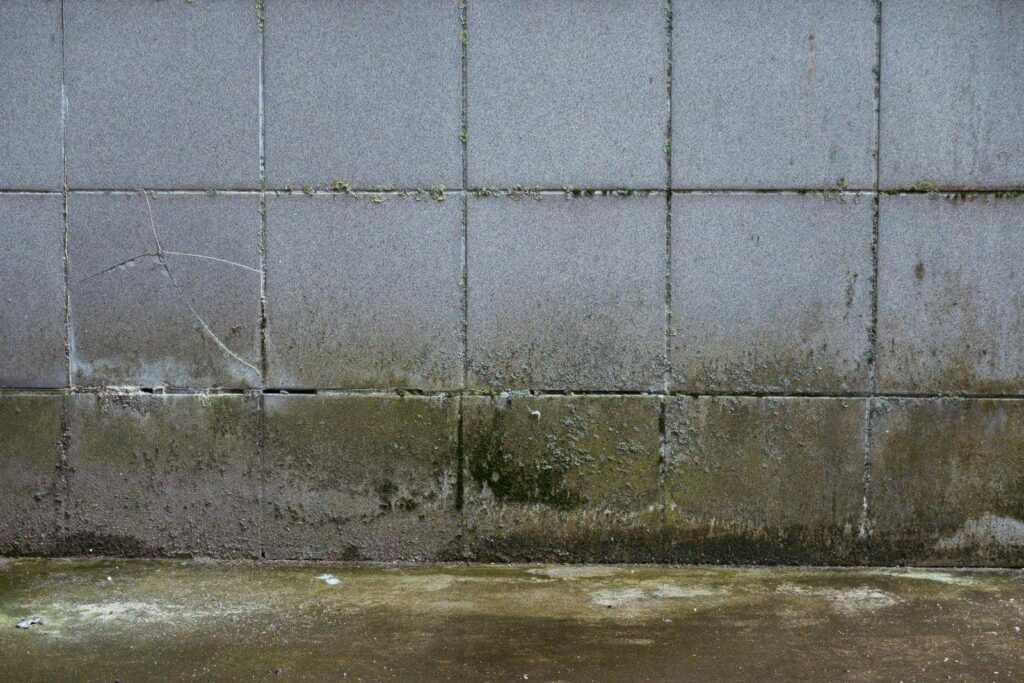
Utilize damage evaluation techniques such as moisture meters and infrared cameras to pinpoint hidden moisture. Check for warped flooring, stained walls, and musty odors, as these can indicate deeper problems.
Document your findings to create a clear picture of the damage, which will guide your remediation efforts. By accurately evaluating the extent of water damage, you’ll be better equipped to tackle mold growth and restore your environment.
Wear Protective Gear
After evaluating the extent of water damage, it’s imperative to prioritize your safety by wearing protective gear.
Start with protective masks to avoid inhaling mold spores, which can lead to respiratory issues. Look for masks rated N95 or higher to ensure adequate filtration.
Next, focus on glove usage. Choose gloves made from latex or nitrile to protect your skin from irritants and contaminants. Ascertain they fit snugly to maintain dexterity while you work.
It’s also wise to wear long sleeves and pants to minimize skin exposure.
By equipping yourself with the right protective gear, you safeguard your health and demonstrate responsibility in tackling mold remediation effectively.
Stay safe and focused on restoring your environment.
Remove Standing Water
To effectively combat mold growth, you must promptly remove standing water from the affected area.
Immediate standing water removal is essential for flood damage prevention and to minimize the risk of mold proliferation.
Follow these steps:
Assess the Area: Identify all pockets of standing water, ensuring you check hidden spots, such as behind furniture or in corners.
Use Pumping Equipment: Employ submersible pumps or wet/dry vacuums to extract water quickly and efficiently.
Ensure Proper Disposal: Dispose of the water responsibly, adhering to local regulations regarding floodwater disposal.
Dry Out Affected Areas
Once you’ve removed standing water, it’s crucial to dry out the affected areas promptly to prevent mold from taking hold.
Employ effective drying techniques such as using fans, dehumidifiers, and open windows to enhance airflow. These methods help eliminate moisture quickly, reducing the risk of mold growth.
Additionally, consider installing moisture barriers in vulnerable areas like basements and crawl spaces. These barriers can greatly lower humidity levels and protect your home from future water intrusion.
Remember, the key is to achieve a moisture content below 60% in the affected areas.
Identify and Remove Contaminated Materials
Identifying and removing contaminated materials is essential for effective mold remediation, as lingering organic materials can perpetuate mold growth.
To tackle this critical step, employ these mold identification techniques:
Visual Inspection: Look for visible signs of mold on walls, ceilings, and furniture. Discoloration or a musty smell often indicates contamination.
Material Testing: Use mold testing kits to detect spores in the air or on surfaces, confirming the presence of mold in affected areas.
Contaminated Material Disposal: Safely dispose of any materials that can’t be salvaged, such as drywall or carpeting, following local guidelines for hazardous waste.
Clean and Disinfect Surfaces
To effectively clean and disinfect surfaces affected by mold, you’ll need the right supplies and techniques.
Gathering essential cleaning supplies ensures you can tackle mold spores effectively, while understanding proper disinfection methods enhances your efforts.
Let’s explore what you need and how to do it.
Essential Cleaning Supplies
When tackling mold remediation, having the right cleaning supplies is essential for effectively cleaning and disinfecting surfaces.
To ensure you’re equipped for the job, consider these cleaning product recommendations:
Bleach Solution: A mixture of one cup of bleach in one gallon of water helps kill mold on non-porous surfaces.
Mold Remover: Look for EPA-approved mold removers that target spores and prevent future growth, integral to your mold prevention strategies.
Protective Gear: Don’t forget gloves and masks to safeguard yourself while cleaning.
Disinfection Techniques Explained
After gathering the right cleaning supplies, understanding effective disinfection techniques becomes crucial for thorough mold remediation.
You’ll want to choose appropriate disinfection methods that suit the surfaces you’re treating. Common chemical agents like bleach, hydrogen peroxide, and vinegar can effectively kill mold spores. Always remember to follow the manufacturer’s instructions for proper usage and dilution ratios.
When applying these agents, ensure good ventilation and wear protective gear to safeguard yourself.
Scrub surfaces thoroughly to remove any mold remnants, then let the disinfectant sit for the recommended time before rinsing. Regularly monitor treated areas for any signs of regrowth, as effective disinfection is key to preventing future infestations.
Use Dehumidifiers and Fans
To effectively combat mold growth, you should strategically place dehumidifiers and fans in areas with high moisture levels.
This setup helps circulate air while reducing humidity, which is essential for mold prevention.
Additionally, consistently monitor humidity levels to ensure they remain below 60%, promoting a healthier environment.
Optimal Equipment Placement
Effective mold remediation hinges on the strategic placement of dehumidifiers and fans, as proper equipment positioning can greatly enhance moisture control and air circulation.
To implement ideal equipment placement strategies, consider these effective drying techniques:
Central Location: Position dehumidifiers in the room’s center to maximize air exposure and moisture absorption.
Direct Airflow: Place fans to direct airflow toward damp areas, ensuring that moisture is effectively dispersed and dried.
Avoid Obstacles: Keep equipment away from walls and furniture to prevent airflow obstruction, allowing for a more efficient drying process.
Monitor Humidity Levels
Monitoring humidity levels is vital for successful mold remediation. High humidity can lead to mold growth, so implementing effective humidity control is necessary. Use dehumidifiers to reduce moisture in the air, aiming for levels below 60%.
Regular moisture measurement with a hygrometer helps you track progress and adjust your strategies accordingly.
In addition to dehumidifiers, utilize fans to improve air circulation, promoting faster drying of affected areas. This combination helps eliminate existing mold and prevent future infestations.
Keep a close eye on humidity levels throughout the remediation process, as consistent monitoring helps ensure a safe environment.
Apply Mold Inhibitors
While you may have successfully removed visible mold, applying mold inhibitors is essential to prevent future growth.
These inhibitors are crucial mold prevention strategies that can notably reduce the risk of recurrence.
Consider the following eco-friendly solutions:
Essential oils: Use oils like tea tree or lavender, known for their antifungal properties.
Vinegar: Spray a solution of vinegar and water on susceptible surfaces to inhibit mold growth naturally.
Boric acid: Apply a boric acid solution in areas prone to dampness; it’s a powerful mold inhibitor.
Monitor for Mold Growth
Even with mold inhibitors applied, staying vigilant is key to ensuring mold doesn’t return. Regularly check your home for any signs of mold growth.
Mold spores are everywhere, but they require specific growth conditions—like moisture and warmth—to thrive. Inspect areas prone to dampness, such as basements, bathrooms, and under sinks. Look for discoloration, a musty smell, or visible mold spots.
If you find any, address it immediately to prevent further spread. Remember, it’s about removing mold and managing the environment to keep it dry and well-ventilated.
Consult a Professional if Necessary
If you encounter significant mold growth, consult a professional to accurately identify its severity and potential health risks.
They can provide expert guidance on the safest remediation methods and help you navigate any necessary insurance claims.
Addressing mold issues promptly with a professional can prevent further damage and ensure a healthier living environment.
Identify Mold Severity
Identifying mold severity is essential for determining the appropriate remediation strategy. Different mold types can pose varying risks to your health, so evaluating the situation carefully is critical.
Here are three steps to help you evaluate mold severity:
Visual Inspection: Check for visible mold growth and water damage in affected areas. Note the extent and location.
Identify Mold Types: Determine if you’re dealing with common molds like Aspergillus or potentially harmful ones like Stachybotrys.
Evaluate Health Symptoms: Pay attention to any health symptoms in yourself or others, such as respiratory issues, allergies, or skin irritation.
If you find extensive mold or experience serious health symptoms, don’t hesitate to consult a professional for assistance.
Taking action early can prevent further complications.
Assess Health Risks
When dealing with mold, evaluating health risks is essential for ensuring everyone’s safety. Mold exposure can trigger various health conditions, especially for vulnerable individuals such as children, the elderly, or those with pre-existing respiratory issues.
Common mold symptoms include coughing, sneezing, skin irritation, and even more severe reactions in sensitive populations. It’s vital to assess your environment for these hazards and how they might affect you and your family.
If you notice persistent symptoms or if the mold appears extensive, don’t hesitate to consult a professional. They can conduct a thorough assessment, identify specific health risks, and recommend effective remediation strategies.
Navigate Insurance Claims
Understanding the health risks associated with mold is just the first step; managing insurance claims can greatly impact your remediation efforts. A well-handled claim process can ease your financial burden and facilitate a quicker return to normalcy.
Here are three steps to take into account:
Review Your Insurance Policy: Understand what your policy covers regarding mold damage and flooding. Look for specific clauses that may affect your claim.
Document Everything: Take photos of the damage, keep receipts for repairs, and maintain records of communications with your insurer.
Consult a Professional: If you find the claim process overwhelming, contemplate hiring an expert who can help you navigate the complexities and ensure you receive the compensation you’re entitled to.
Frequently Asked Questions
How Long Does It Take for Mold to Start Growing After Flooding?
Mold growth can start within 24 to 48 hours after flooding if moisture control isn’t managed. To prevent this, you should quickly dry affected areas and reduce humidity levels in your environment.
Can I Use Bleach to Kill Mold Effectively?
You can’t rely solely on bleach for effective mold removal. While it kills some mold types, it doesn’t penetrate porous surfaces, allowing regrowth. Consider alternative solutions like vinegar or specialized mold removers for better results.
Is It Safe to Stay in My Home During Remediation?
Staying in your home during remediation can feel like a risky adventure. However, with proper safety precautions, you can minimize mold exposure. Always assess the situation and prioritize your health for peace of mind.
What Should I Do With My Furniture After Flooding?
After flooding, assess your furniture for damage. Prioritize moisture control to prevent mold growth. Consider professional furniture restoration services for valuable pieces, and discard irreparably damaged items to ensure a safe living environment.
How Can I Prevent Mold From Returning After Remediation?
To prevent mold from returning, implement preventive measures like controlling humidity and ensuring proper ventilation. Regular inspections help catch issues early, fostering a healthy environment where you and your loved ones can thrive together.
Wrap-Up
Effective mold remediation after flooding is essential for your safety. While you might think tackling mold is overwhelming, following these steps can simplify the process. Start by evaluating the damage and wearing protective gear. Remember, thorough drying and using mold inhibitors are key to preventing regrowth. If the situation feels beyond your control, don’t hesitate to consult a professional. Taking these proactive measures will help ensure a healthier living environment for you and your family.