It’s ironic how a simple plumbing issue can lead to a mold removal crisis in your home. When water damage occurs, the clock starts ticking on mold growth, making immediate action essential. Understanding how to identify signs of infestation and the health risks involved can greatly impact your response. To effectively tackle mold, knowing the steps to take and the importance of professional help is vital. Are you prepared to address these challenges?
Key Takeaways
- Immediately assess water damage to identify affected areas and prevent mold growth from starting.
- Remove standing water promptly and document findings for insurance claims.
- Conduct visual inspections and use moisture meters to detect hidden mold.
- Contact a professional mold removal service for a comprehensive assessment and remediation.
- Maintain proper ventilation and humidity control to prevent future mold infestations.
Understanding Mold Growth After Water Damage
When water damage occurs, understanding how mold grows is essential for effective remediation.
Mold thrives in environments with high moisture, making it vital to identify moisture sources like leaks, floods, or condensation. The mold lifecycle begins with spores, which require humidity levels above 60% to germinate.
Once activated, they can rapidly colonize surfaces such as drywall or wood. This growth can lead to structural damage and health risks if not addressed promptly.
To combat mold, you need to control moisture levels by fixing leaks, improving ventilation, and using dehumidifiers.
Signs of Mold Infestation
You should be alert for visible mold growth in damp areas, as this is a clear indicator of infestation.
Additionally, a musty odor often accompanies mold presence, signaling that further investigation is necessary.
If you experience unexplained health symptoms, particularly respiratory issues, it’s essential to assess your environment for mold.
Visible Mold Growth
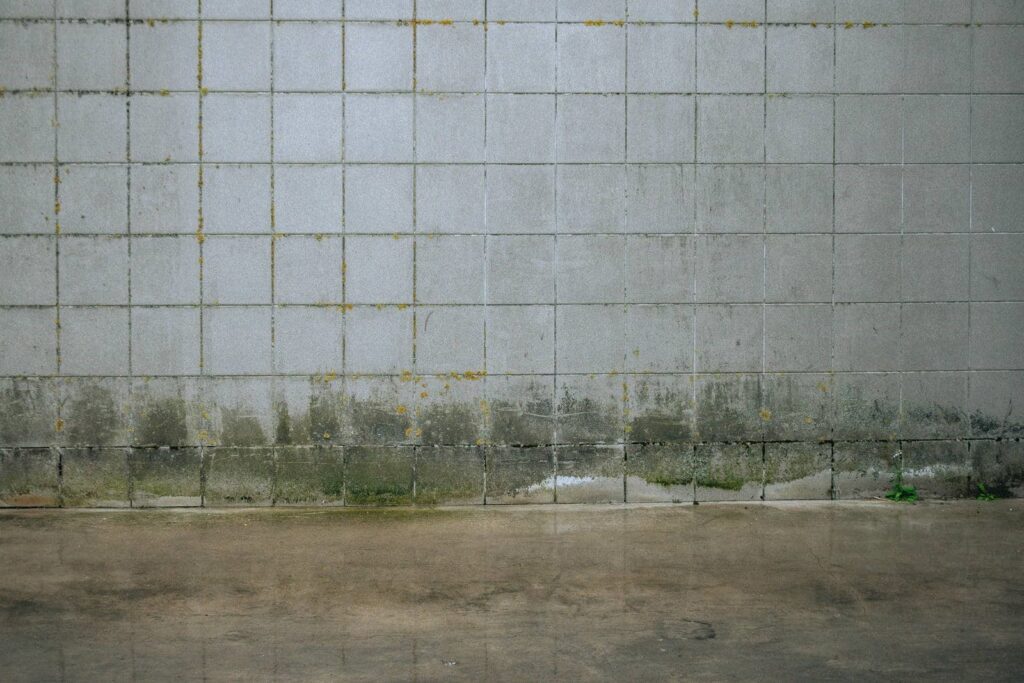
Visible mold growth serves as a clear indicator of a potential mold infestation in your home. You’ll often find mold in damp areas, such as bathrooms, basements, or around leaky pipes.
Employing effective mold identification techniques, like visual inspections and surface sampling, can help confirm its presence. Look for irregular patches, discoloration, or fuzzy textures that suggest mold development.
Once detected, it’s essential to act swiftly to mitigate health risks and structural damage. Implementing mold prevention strategies, such as controlling humidity levels and ensuring proper ventilation, can greatly reduce the likelihood of future infestations.
Musty Odor Presence
A musty odor often signals the presence of mold, even if visible growth isn’t immediately apparent.
When you detect a musty smell in your home, it’s essential to investigate further. Here are three signs that may accompany odor detection:
- Damp or Wet Areas: Check for moisture in basements, bathrooms, and kitchen areas, as these are common mold breeding grounds.
- Water Damage: Look for signs of previous water intrusion, such as discoloration or peeling paint, which may indicate hidden mold.
- Unexplained Allergies: If you or your family members experience sudden allergy-like symptoms, it might be related to mold spores in the air.
Addressing the musty odor promptly can prevent further mold growth and protect your home.
Health Symptoms Experienced
When mold infestations occur, various health symptoms can manifest, often affecting respiratory health. You might experience mold allergy symptoms such as sneezing, coughing, and nasal congestion.
These reactions can escalate into more severe respiratory issues, including wheezing and difficulty breathing, especially if you have pre-existing conditions like asthma. Prolonged exposure can lead to chronic sinus infections and pulmonary problems.
It’s vital to pay attention to these signs, as they indicate the need for immediate action. Taking control of your environment protects your health and fosters a sense of community well-being.
If you or anyone in your household shows these symptoms, consulting a healthcare professional and addressing the mold issue promptly is essential.
Health Risks Associated With Mold
Although mold is a natural part of the environment, its presence indoors can pose significant health risks to you and your family.
Exposure to mold can lead to various health concerns, particularly if anyone in your household has pre-existing conditions. Here are three key risks associated with mold:
- Mold Allergies: You might experience sneezing, itching, or rashes due to mold spores, especially if you’re sensitive or allergic.
- Respiratory Issues: Mold can trigger asthma attacks or worsen existing respiratory conditions, making it harder to breathe.
- Infections: In severe cases, mold exposure can lead to serious infections, particularly in those with weakened immune systems.
Understanding these risks emphasizes the importance of prompt mold removal to protect your family’s health.
Immediate Steps to Take After Water Damage
After water damage occurs, you need to assess the extent of the damage immediately.
This involves checking for structural integrity and identifying areas with standing water.
Promptly removing any standing water is essential to prevent mold growth and further damage.
Assess the Damage
Evaluating the damage promptly is essential in mitigating the effects of water damage and preventing mold growth.
Start your damage assessment by focusing on key areas:
- Identify Affected Materials: Check walls, ceilings, and floors for signs of water saturation. Look for discoloration or warping.
- Conduct Moisture Evaluation: Use a moisture meter to measure levels in various surfaces. This will help determine how deep the moisture has penetrated.
- Document Findings: Take photos and notes of all affected areas. This documentation will be vital for insurance claims and future reference.
Remove Standing Water
Once you’ve assessed the damage, removing standing water becomes a top priority to prevent mold growth and further structural issues.
Begin the water extraction process immediately; use a wet/dry vacuum or a sump pump to eliminate as much water as possible. Make sure you’ve removed all visible water, as even small amounts can lead to significant mold problems.
After extraction, employ effective drying techniques—like fans, dehumidifiers, and proper ventilation—to lower humidity levels in the affected area.
Monitor progress regularly and consider using moisture meters to ensure you achieve the best possible dryness.
Importance of Professional Mold Removal Services
When it comes to tackling mold infestations, the significance of professional mold removal services can’t be overstated. You might think a DIY approach is sufficient, but mold can be deceptive and hazardous.
Here’s why you should trust the experts:
- Comprehensive Assessment: Professionals conduct a thorough evaluation to identify the extent of the mold problem, utilizing advanced technology for a precise professional assessment.
- Effective Techniques: They employ specialized mold removal methods that ensure complete eradication, preventing future growth and associated health hazards.
- Safety Protocols: Professionals follow safety protocols to protect your home and family from harmful spores during the removal process.
The Mold Remediation Process
Understanding the mold remediation process is vital, especially if you’re facing a significant mold issue in your home.
First, professionals conduct mold testing to identify the type and extent of the mold present. Next, they implement containment procedures to prevent the spread of spores to unaffected areas. This often involves sealing off affected spaces and using negative air pressure.
Once contained, they’ll remove contaminated materials and clean surfaces with specialized solutions. Finally, they ensure the area is dried thoroughly to inhibit future growth.
Throughout this process, it’s important to communicate with your remediation team, confirming you understand each step. By being informed, you contribute to a safer, healthier living environment for you and your loved ones.
Preventing Future Mold Growth
To prevent future mold growth, you need to implement proper ventilation techniques throughout your home.
Controlling humidity levels is essential, as mold thrives in damp environments.
Additionally, conducting routine inspections allows you to identify potential issues before they escalate.
Proper Ventilation Techniques
Effective ventilation is essential for preventing future mold growth since it helps maintain ideal humidity levels in indoor spaces.
To achieve maximum air circulation, consider the following techniques:
- Install Ventilation Systems: Use exhaust fans in areas prone to moisture, like kitchens and bathrooms, to remove humid air effectively.
- Open Windows: Whenever the weather permits, open windows to allow fresh air to flow through your home, promoting natural air exchange.
- Use Dehumidifiers: In humid climates, dehumidifiers can help reduce moisture levels, enhancing your ventilation systems’ performance.
Humidity Control Methods
While you might think mold only thrives in damp environments, controlling humidity is essential for preventing its return.
To achieve this, consider various dehumidifier options that suit your space. Portable units work well for smaller areas, while whole-home systems are ideal for larger environments.
Invest in humidity monitoring devices to keep track of levels; aim for a relative humidity of 30-60%. Regularly assess your home’s humidity, especially during humid seasons or after water damage.
Additionally, ensure proper ventilation in areas such as bathrooms and kitchens to prevent moisture buildup.
Routine Inspections Importance
Regular routine inspections are essential for preventing future mold growth, as they allow you to identify potential moisture problems before they escalate.
Engaging in routine maintenance protects your home and fosters a sense of community responsibility.
Here are three key areas to inspect:
- Basements and Crawl Spaces: Check for leaks or standing water that can create a breeding ground for mold.
- Roof and Gutters: Verify they’re free of debris and functioning properly to prevent water intrusion.
- Windows and Doors: Inspect seals for gaps that can let moisture in.
Choosing the Right Emergency Restoration Company
When you’re facing a mold emergency, selecting the right restoration company can greatly impact the outcome of your recovery process.
Look for a company that offers prompt emergency response services, ensuring they can handle your situation quickly and efficiently. Verify their restoration certifications, as these demonstrate their expertise and adherence to industry standards.
A reputable company should provide a detailed assessment and remediation plan, tailored to your specific needs. Check online reviews and ask for references to gauge their reliability and customer satisfaction.
Finally, make certain they use advanced equipment and techniques for mold removal, as this will enhance the effectiveness of their services.
Choosing wisely can make all the difference in restoring your home and peace of mind.
Insurance Considerations for Mold Removal
Understanding your insurance coverage is essential in the context of mold removal. You need to know how your policy can assist you in addressing mold issues after water damage.
Here are three key considerations:
- Policy Limits: Review your policy limits to see how much coverage exists for mold remediation. Many policies have specific caps for mold-related claims.
- Coverage Types: Determine if your policy includes mold removal as part of water damage claims or if it’s considered a separate issue.
- Exclusions: Check for any exclusions in your policy regarding mold. Some insurers may not cover mold resulting from negligence or lack of maintenance.
Being informed about your insurance coverage helps you navigate the mold removal process more effectively and ensures you’re prepared for unexpected costs.
Tips for Homeowners to Manage Water Damage and Mold
To effectively manage water damage and prevent mold growth, it’s crucial to act swiftly and implement strategic measures.
First, assess the extent of the water damage and eliminate any standing water immediately. Use dehumidifiers and fans to dry out affected areas thoroughly. Ensure proper ventilation to prevent mold growth, especially in bathrooms and kitchens.
Inspect hidden spaces like behind walls and under carpets for moisture.
For mold prevention, clean and sanitize surfaces with appropriate solutions, and consider applying mold-resistant products.
Regularly check for leaks and maintain gutters to direct water away from your home.
Frequently Asked Questions
How Long Does Mold Removal Typically Take After Water Damage?
Mold removal typically takes one to five days, depending on mold growth factors like severity and environment. Understanding these removal timeframes helps you manage expectations and ensures a thorough, effective restoration process for your space.
Can I Remove Mold Myself, or Should I Hire Professionals?
Removing mold yourself can feel like maneuvering through a maze; it’s tricky and risky. While DIY mold removal might seem tempting, hiring professional services ensures thoroughness and safety, protecting your home from future mold issues and health hazards.
What Tools Are Necessary for Effective Mold Removal?
For effective mold removal, you’ll need essential equipment like gloves, masks, scrub brushes, and sponges. Utilize mold removal techniques such as scrubbing with detergent or vinegar and properly sealing affected areas to prevent future growth.
Will My Insurance Cover Mold Removal Costs After Water Damage?
Like a safety net, your insurance policy may cover mold removal costs after water damage, but it depends on your coverage limits. Always review your policy details to ensure you’re adequately protected against potential mold issues.
How Can I Tell if Mold Is Fully Removed?
To confirm that the mold is fully removed, conduct mold testing and perform a thorough visual inspection. Look for any signs of discoloration, musty odors, or moisture. If everything checks out, you can feel confident in the removal.
Final Thoughts
In today’s fast-paced world, addressing mold after water damage is non-negotiable. Ignoring it can lead to serious health risks and costly repairs down the line. By acting quickly, seeking professional help, and understanding preventive measures, you can safeguard your home and well-being. Don’t let mold become the unwelcome houseguest that overstays its welcome—take control now to ensure a healthier living environment for you and your family.