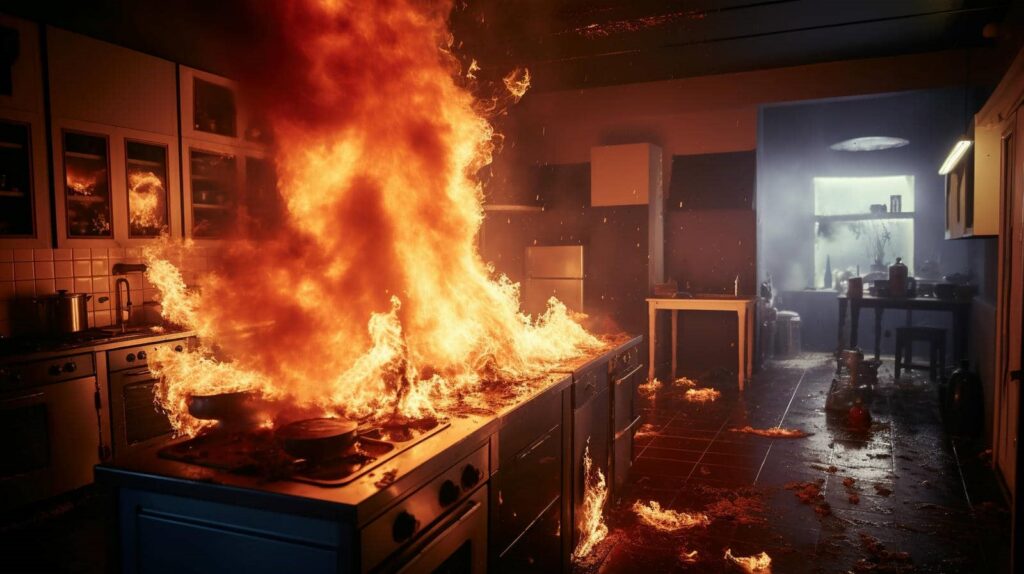
When fire strikes, the aftermath can be overwhelming. You need to assess the smoke damage quickly, ensuring safety for yourself and others. Different types of smoke can complicate cleanup efforts, and understanding these nuances is vital. With the right protective gear and techniques, you can start the restoration process. But there’s more to it—knowing when to seek professional help can make all the difference in a successful recovery. Let’s explore these essential steps together.
Key Takeaways
- Assess the extent of fire and smoke damage by inspecting affected areas and documenting findings for restoration and insurance purposes.
- Prioritize safety by using protective gear, ensuring ventilation, and keeping a fire extinguisher and first-aid kit accessible during cleanup.
- Engage professional restoration services for accurate damage assessment, effective cleanup, and safe handling of hazardous materials.
- Implement timely action to repair structural damage, remove hazardous debris, and address lingering odors to prevent further issues.
- Focus on thorough cleaning, including soot removal and odor elimination, followed by a final inspection to ensure safety and completeness.
Understanding Fire and Smoke Damage
When a fire occurs, understanding the extent of fire and smoke damage is essential for effective cleanup and restoration.
Fire chemistry plays an important role in this process; it helps you grasp how different materials react when exposed to flames. Each material burns uniquely, producing specific smoke particles that vary in size, composition, and toxicity.
These particles can infiltrate your belongings, leading to lingering odors and potential health risks. Recognizing the types of smoke damage—dry and wet—can guide your cleanup strategy.
Assessing the Extent of Damage
Although the aftermath of a fire can feel overwhelming, evaluating the extent of damage is an essential first step in your recovery process.
Begin your damage evaluation by inspecting all affected areas, noting structural issues, smoke stains, and water damage from firefighting efforts. Document everything with photos and detailed descriptions, as this will aid in restoration planning and insurance claims.
Don’t overlook hidden areas like attics or basements; damage can linger out of sight. Engage professionals if needed, as their expertise can help you understand the full scope of damage.
Safety Precautions During Cleanup
After evaluating the extent of damage, it’s vital to prioritize safety during the cleanup process.
Fire hazards can linger long after the flames are extinguished, so keeping yourself safe is essential. Here are some precautions to take into account:
- Ensure adequate ventilation to avoid inhaling smoke and toxic fumes.
- Use a fire extinguisher readily available in case of flare-ups.
- Avoid walking on unstable surfaces, which could collapse or hide potential dangers.
- Keep a first-aid kit close in case of injuries.
Protective Gear and Equipment Needed
To effectively protect yourself during fire and smoke damage cleanup, having the right gear and equipment is essential.
Start with protective gloves to shield your hands from harmful residues and sharp debris. Opt for thick, durable gloves designed for hazardous tasks to ensure maximum safety.
Next, wear safety goggles to protect your eyes from smoke particles and dust that can irritate or cause injury. These goggles should fit snugly and offer a clear view, allowing you to focus on the task at hand.
Additionally, consider using a mask to filter out hazardous airborne particles. By equipping yourself with these essential items, you’re not just safeguarding your health; you’re fostering a safe environment for yourself and those around you.
Initial Cleanup Steps
Before you start any cleanup, prioritize your safety by wearing appropriate protective gear.
Once you’re equipped, assess the damage to understand the extent of the fire and smoke impact.
This initial evaluation will guide your next steps in the recovery process.
Safety Precautions First
Although the aftermath of a fire can be overwhelming, prioritizing safety during the initial cleanup steps is crucial. You must protect yourself while addressing the damage. Remember, fire safety is your first line of defense.
Here are some key personal protection measures to take:
- Wear sturdy gloves to shield your hands from sharp debris.
- Use a face mask to avoid inhaling smoke particles and dust.
- Confirm you have protective eyewear to guard against irritants.
- Avoid using electrical appliances or outlets until confirmed safe.
Taking these precautions protects you and fosters a sense of security among those affected.
You’re not alone in this process; following these steps helps create a safer environment for everyone involved.
Assessing Damage Severity
How can you effectively assess the severity of damage after a fire? Start with damage assessment techniques that focus on identifying affected areas.
Carefully inspect structural elements—walls, ceilings, and floors—for signs of charring or warping. Check for smoke residue, which can indicate more serious damage.
Utilize a fire impact evaluation to determine how the fire’s intensity affected materials and systems within your space. Pay close attention to electrical wiring and plumbing, as they can pose serious risks if compromised.
Document your findings with photographs and notes, as this will aid in insurance claims and restoration efforts.
Deep Cleaning Techniques for Smoke Residue
When tackling smoke residue, it’s essential to choose effective cleaning solutions that break down the oily particles left behind.
Utilizing specialized equipment, like ozone generators and HEPA filters, can greatly enhance your cleaning efforts.
Effective Cleaning Solutions
While tackling smoke residue can feel overwhelming, employing effective cleaning solutions is crucial for restoring your space. You want to ensure your home is safe and welcoming again.
Consider these options:
- Eco-friendly solutions: Use natural ingredients like vinegar or baking soda for a safer environment.
- Industrial cleaners: When residue is stubborn, opt for heavy-duty commercial products specifically designed to tackle smoke damage.
- Microfiber cloths: These are excellent for trapping particles and preventing further spreading of soot.
- Steam cleaning: This method can effectively remove smoke odor and residue from various surfaces without harsh chemicals.
Specialized Equipment Use
Deep cleaning smoke residue often requires specialized equipment to ensure thorough restoration.
You’ll find that using specialized tools like ozone generators and air scrubbers can effectively neutralize lingering odors and purify your indoor air.
Advanced technology, such as thermal foggers, allows you to penetrate surfaces, ensuring that smoke particles are eliminated from every nook and cranny.
These tools accelerate the cleaning process and enhance safety by reducing health risks associated with smoke exposure.
Remember, restoring your space isn’t just about removing stains; it’s about reclaiming your home and well-being.
Restoration of Damaged Structures
Restoring a structure damaged by fire and smoke requires meticulous attention to detail and a systematic approach to ensure safety and efficacy.
You’ll want to focus on several key aspects to confirm the building’s structural integrity and successful restoration techniques:
- Assessment of Damage: Evaluate the extent of fire and smoke damage to determine necessary repairs.
- Structural Repairs: Address any compromised beams, walls, or foundations to maintain safety.
- Debris Removal: Safely clear away charred materials and hazardous debris for a clean workspace.
- Reconstruction: Implement appropriate restoration techniques, confirming all materials meet safety standards.
Deodorization Methods for Smoke Odor Removal
Once a fire has been extinguished, the lingering smoke odor can be an insidious challenge, often requiring specialized deodorization methods to eliminate it effectively.
You might consider a variety of deodorization techniques to tackle this issue. First, thermal fogging can penetrate materials, neutralizing odors at the molecular level.
Second, ozone treatment generates ozone molecules that bind with smoke particles, effectively removing them from the air.
Third, air scrubbers with activated carbon filters can capture and eliminate odor particles circulating in your space.
Don’t underestimate the importance of thorough cleaning, as it lays the groundwork for effective smoke odor removal.
When to Call in Professional Help
How can you tell when it’s time to seek professional help for fire and smoke damage cleanup? Recognizing the right moment can prevent further damage and ensure a thorough fire restoration.
Consider calling in professionals if you notice:
- Extensive soot or smoke damage on walls and ceilings
- Lingering odors that home remedies can’t eliminate
- Structural damage or compromised safety in your home
- Uncertainty about the extent of damage requiring a professional assessment
Frequently Asked Questions
How Long Does Smoke Damage Remediation Typically Take?
Smoke damage remediation typically takes anywhere from a few days to several weeks, depending on the severity. You’ll want to assess the extent of the damage to understand the remediation timeline better and prepare accordingly.
Can I Stay in My Home During Cleanup?
You can’t stay in your home during cleanup; safety concerns are paramount. Think of temporary relocation as a vacation from chaos. Your health matters more than comfort—embrace the change, and return to a safer space.
What Insurance Coverage Do I Need for Fire Damage?
You need thorough fire insurance with adequate property coverage to protect your home from fire damage. Make sure your policy covers structural repairs and personal belongings, so you’re financially secure during recovery and rebuilding efforts.
Are There Any DIY Methods for Smoke Odor Removal?
Yes, you can use baking soda and a vinegar solution to eliminate smoke odors. Sprinkle baking soda on affected areas, let it sit, then vacuum. Mix equal parts vinegar and water, spray, and wipe surfaces clean.
How Can I Prevent Future Fire Hazards in My Home?
To prevent future fire hazards in your home, prioritize fire safety by installing smoke detectors, maintaining electrical systems, and practicing preventive measures like safe cooking habits and proper storage of flammable materials. Stay vigilant and proactive.
Conclusion
Effectively managing fire and smoke damage is essential for restoring your property and your peace of mind. Remember, fire-related injuries can occur from smoke inhalation rather than flames. Prioritizing safety and thorough cleanup can mitigate health risks and structural deterioration. If the damage feels overwhelming, don’t hesitate to seek professional help. Taking timely action protects your investment and supports your emotional recovery from the incident.