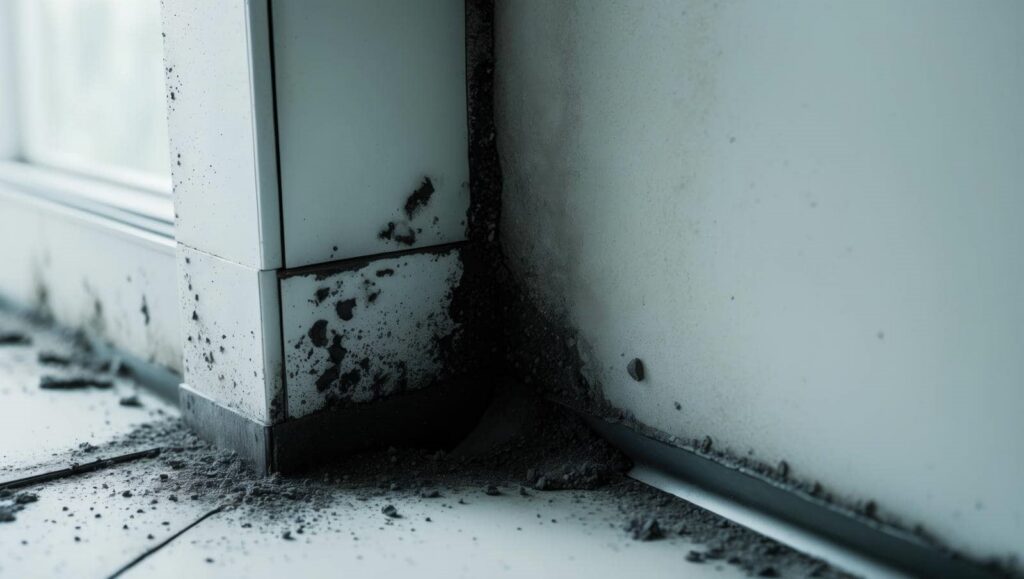
Imagine your home as a ship caught in a storm, water seeping in and threatening to sink everything you hold dear. Once flooding occurs, mold can become an unwelcome guest, compromising your living space and health. Understanding how to effectively address this issue is vital. What steps should you take to ensure your home remains safe and mold-free? Let’s explore the essential tips for effective mold remediation after flooding.
Key Takeaways
- Conduct a thorough assessment to identify all areas affected by water and potential mold growth.
- Prioritize safety by wearing PPE and ensuring proper ventilation during the remediation process.
- Remove all damaged materials promptly to prevent mold from spreading further.
- Clean and disinfect surfaces using effective solutions to eliminate mold spores and prevent regrowth.
- Use dehumidifiers and improve ventilation to maintain optimal humidity levels and discourage mold resurgence.
Assess the Extent of Water Damage
Before you begin any mold remediation efforts, it’s vital to assess the extent of water damage in your space.
Start with a thorough water damage assessment, identifying affected areas such as walls, floors, and ceilings. Look for discoloration, warping, or peeling materials that signal moisture infiltration.
Next, conduct a structural integrity evaluation. This involves checking support beams, joists, and other significant structures for signs of weakness.
If you find significant damage, it’s important to document everything for insurance purposes.
Remember, a detailed assessment informs your remediation strategy and ensures your home’s safety and long-term stability.
Taking these steps fosters a sense of community by ensuring you’re protecting your living environment effectively.
Ensure Proper Safety Measures
After evaluating the extent of water damage, you must prioritize safety measures to protect yourself and others during the mold remediation process.
Start by wearing appropriate personal protective equipment (PPE), including gloves, goggles, and masks, to shield yourself from mold spores and other hazardous materials. Proper PPE keeps you safe and fosters a collective sense of responsibility among those involved.
When handling hazardous materials, follow local guidelines to ensure compliance and safety. It’s essential to ventilate the area and minimize exposure to harmful substances.
By implementing these safety measures, you create a secure environment for everyone, allowing you to focus on effective mold remediation without compromising well-being.
Remove Affected Materials
To effectively remove mold, you’ll first need to identify any materials that have been damaged, such as drywall, carpeting, or furniture.
Once you’ve pinpointed these items, it’s essential to follow safe disposal methods to prevent further contamination.
Properly handling these materials ensures a cleaner, safer environment during your remediation process.
Identify Damaged Items
Identifying damaged items is vital in the mold remediation process, as it allows you to effectively tackle the issue at hand.
Begin with a thorough evaluation of damaged items, focusing on materials like drywall, carpeting, and furniture. Use mold identification techniques such as visual inspections and odor detection to pinpoint affected areas.
Pay close attention to hidden spaces, like behind appliances and inside walls, where mold may thrive unnoticed. Document your findings to provide a clear overview of the extent of the damage.
By systematically identifying and evaluating these items, you streamline the remediation process and foster a sense of community and safety in your living space.
Safe Disposal Methods
Once you’ve identified the affected materials, it’s time to focus on safe disposal methods for those items. Proper disposal helps prevent health risks and further mold growth.
Follow these disposal guidelines:
Separate Hazardous Waste: Identify materials like drywall, insulation, and carpets that are contaminated with mold and treat them as hazardous waste.
Use Sealed Bags: Place removed items in sturdy, sealed bags to prevent spores from spreading during transport.
Consult Local Authorities: Check with your local waste management facility for specific disposal guidelines, as they can provide essential information on how to handle hazardous materials safely.
Clean and Disinfect Surfaces
After removing affected materials, it’s essential to clean and disinfect surfaces thoroughly.
You should use safe cleaning solutions that effectively eliminate mold spores and prevent regrowth.
Employing proper disinfection techniques will ensure a healthier environment moving forward.
Safe Cleaning Solutions
While tackling mold remediation, it’s crucial to choose safe cleaning solutions that effectively disinfect surfaces without posing health risks.
You’ll want to take into account eco-friendly cleaners and natural remedies that not only eliminate mold but also contribute to a healthier environment. Here are three effective options:
Vinegar: This natural remedy kills mold species. Spray it undiluted on affected areas and let it sit before wiping.
Baking Soda: Mix with water to create a paste. It’s safe for surfaces and helps absorb moisture, along with killing mold.
Hydrogen Peroxide: Use a 3% solution to spray on surfaces. It’s a powerful disinfectant that’s also safe for humans and pets.
Using these solutions can help you achieve effective mold remediation while keeping your space safe.
Effective Disinfection Techniques
Choosing safe cleaning solutions lays the groundwork for effective disinfection techniques in mold remediation.
To combat mold growth, you need to employ appropriate disinfection methods. Start by removing any visible mold with a scrub brush and a mixture of water and detergent.
After cleaning, use a disinfectant that’s effective against mold, such as a solution containing at least 70% alcohol or a commercial mold killer. Be certain to apply these solutions to all surfaces, including hard-to-reach areas.
Allow sufficient contact time to ensure effectiveness, and follow up by rinsing surfaces if necessary.
Finally, ventilate the area well to prevent any lingering moisture, as this will greatly reduce the chance of future mold growth.
Use Dehumidifiers and Ventilation
To effectively combat mold growth, you need to control the moisture levels in your home, which is where dehumidifiers and proper ventilation come into play.
Here are key strategies to implement:
Adjust Dehumidifier Settings: Set your dehumidifier to maintain indoor humidity levels between 30-60%. This helps create an environment unfavorable for mold.
Utilize Ventilation Tips: Open windows when weather permits to encourage airflow. Use exhaust fans in bathrooms and kitchens to remove excess moisture quickly.
Create Air Circulation: Position fans strategically to promote airflow, especially in damp areas. This prevents stagnant air where mold thrives.
Monitor for Recurrence of Mold
Even with dehumidifiers and proper ventilation in place, vigilance is key to preventing mold from returning.
Regularly inspect areas prone to moisture, such as basements and bathrooms, for any signs of mold growth. If you notice a musty odor or visible patches, act quickly to address the issue.
Implementing effective prevention strategies, like keeping humidity levels below 60% and ensuring proper drainage around your home, can greatly reduce the risk of recurrence.
Additionally, consider using moisture-absorbing materials in high-risk areas.
By staying proactive and monitoring your environment, you can maintain a healthy living space and foster a sense of belonging in your home.
Frequently Asked Questions
How Long Does Mold Take to Start Growing After Flooding?
Mold can start growing within 24 to 48 hours after flood damage occurs. Understanding this mold growth timeline is essential; the sooner you act, the better chance you have of preventing extensive mold issues later.
Can I Handle Mold Remediation Myself?
Yes, you can handle mold remediation yourself, but you’ll need effective mold identification techniques and reliable DIY remediation tools. Ensure you follow safety precautions and understand the extent of the infestation before proceeding.
What Protective Gear Should I Wear During Cleanup?
When tackling mold cleanup, you wouldn’t go into battle without armor, right? Wear protective equipment like gloves, goggles, and masks while following safety protocols. This keeps you safe and ensures an effective remediation process.
Are There Specific Products Recommended for Mold Removal?
For effective mold removal, use EPA-approved cleaning products like hydrogen peroxide, vinegar, or commercial mold removers. Always read labels for safety and efficacy, ensuring they’re suitable for the surfaces you’re treating during your cleanup process.
How Can I Prevent Mold Growth in the Future?
To prevent future mold growth, use mold-resistant materials during renovations and conduct regular inspections. Think of your home as a sanctuary; nurturing it ensures safety and comfort for you and your loved ones.
Review
In the end, you might think mold’s just another quirky houseguest, but it’s not the kind you want lingering around. By diligently evaluating damage, prioritizing safety, and removing affected materials, you can reclaim your space. Cleaning and disinfecting, along with using dehumidifiers, will help keep mold at bay. Ironically, your home can feel safer and healthier after a flood, proving that sometimes, a little chaos can lead to a much-needed fresh start.