You might think fire damage cleanup is straightforward, but it requires a systematic approach to guarantee safety and effectiveness. First, you need to assess the damage thoroughly before taking any action. Understanding the extent of the destruction is essential. Once you’ve grasped the situation, the next steps involve contacting professionals and implementing specific cleaning techniques. Each step is important to restoring your space properly and preventing future incidents. How do you begin this significant process?
Key Takeaways
- Conduct a thorough assessment of fire damage, focusing on structural integrity, smoke, and water exposure before starting cleanup.
- Engage professionals for expertise in evaluating damage and navigating insurance claims for necessary repairs and restoration.
- Remove smoke and soot using appropriate cleaning techniques, such as dry cleaning sponges and specialized detergents for affected surfaces.
- Clean and sanitize the affected areas promptly to prevent further deterioration, using effective fire cleaning methods and protective gear.
- Implement fire safety measures, including installing smoke detectors, establishing an evacuation plan, and educating occupants on fire prevention and emergency protocols.
Assessing the Damage
When you’re faced with fire damage, evaluating the extent of the destruction is essential to planning an effective cleanup and restoration strategy.
Start with a thorough fire assessment, focusing on structural integrity, smoke damage, and water exposure from firefighting efforts. Document all affected areas, noting materials and surfaces that require attention.
Utilize specialized tools like moisture meters and thermal imaging to identify hidden damage. Prioritize areas based on severity, ensuring you address hazards first.
Engage professionals if necessary, as their expertise in damage evaluation can streamline the process. This methodical approach not only aids in recovery but also fosters a sense of community, as you work together with restoration experts to restore your space efficiently and effectively.
Ensuring Safety
Before you begin cleanup, you must assess the structural integrity of the building to guarantee it’s safe to enter.
Use protective gear, including gloves, masks, and goggles, to shield yourself from hazardous materials and debris.
Prioritizing safety will prevent injuries and allow you to work more effectively.
Assess Structural Integrity
As you begin the fire damage cleanup process, evaluating the structural integrity of the building is essential for ensuring safety.
Start with thorough structural assessments to identify any compromised elements, such as beams, walls, and foundations. Look for signs of warping, cracks, or any visible damage caused by the fire.
Integrity inspections should include checking load-bearing components and the overall stability of the structure. Document your findings meticulously, as this information will guide your next steps in the restoration process.
Don’t hesitate to consult with a qualified professional if you encounter significant concerns.
Use Protective Gear
Following the structural assessment, it’s essential to prioritize your safety by using appropriate protective gear.
Begin by donning protective clothing that’s specifically designed for fire damage situations. This includes long-sleeved shirts, durable pants, and gloves, which shield you from potential hazards like debris and sharp objects.
Next, equip yourself with safety goggles to protect your eyes from soot, ash, and other airborne particles that can irritate or injure. Don’t forget a mask or respirator, especially if you’re dealing with smoke residue.
Always guarantee your footwear is sturdy and slip-resistant. By taking these precautions, you’ll mitigate risks and create a safer environment for both yourself and your team during the cleanup and restoration process.
Contacting Professionals
When a fire damages your property, contacting professionals promptly is essential to mitigate further loss and guarantee a thorough restoration.
Experts in fire damage cleanup possess the technical knowledge necessary to assess structural integrity and identify hazardous materials. They’ll help you navigate the complexities of insurance claims, ensuring you receive the coverage you’re entitled to for repairs.
Additionally, these professionals can advise on fire prevention measures to safeguard your property in the future. By engaging skilled restoration services, you’re not just addressing immediate concerns; you’re investing in the long-term safety and value of your home.
Don’t hesitate acting quickly connects you with the resources and support you need during this challenging time.
Removing Smoke and Soot
You need to start by evaluating the extent of smoke damage throughout the affected areas.
Once you’ve identified the most impacted surfaces, focus on cleaning the soot residue effectively to prevent further damage.
Finally, implement odor elimination techniques to guarantee a thorough restoration of the space.
Assessing Smoke Damage
Although smoke damage can seem insurmountable after a fire, evaluating it methodically allows you to develop an effective cleanup strategy.
Begin by identifying areas affected by smoke particles, which can infiltrate walls, ceilings, and furniture. Use a professional-grade air quality monitor to assess lingering smoke particles; these may pose health effects such as respiratory issues or irritation.
Assess the extent of the damage by checking for discoloration or odor, as these indicators will guide your remediation efforts. Document your findings meticulously, noting the severity and locations of smoke damage.
This detailed assessment won’t only help in prioritizing cleanup tasks but also guarantee that you create a safe environment for yourself and others as you progress through the restoration process.
Cleaning Soot Residue
As soot residue settles on surfaces after a fire, it can become a stubborn challenge to remove. Start by identifying the affected areas and using appropriate soot removal techniques.
For porous surfaces, use dry cleaning sponges to lift soot without spreading it. On non-porous surfaces, a mixture of warm water and specialized soot cleaning products can effectively break down the residue. Apply this mixture with a soft cloth, guaranteeing you don’t rub too hard, which could damage the surface.
For textiles, professional cleaning may be necessary to fully restore them. Always test a small, inconspicuous area first to verify compatibility.
Odor Elimination Techniques
While removing soot residue is essential, addressing lingering odors from smoke is equally important for restoring a space after fire damage.
You’ll want to employ effective odor elimination techniques, focusing on both immediate and long-term solutions.
Utilize odor neutralizers: Products specifically designed to chemically neutralize smoke odors can greatly improve air quality.
Incorporate air purifiers: High-efficiency particulate air (HEPA) purifiers filter out lingering particles and odors, making the environment more comfortable.
Ventilation: Open windows and doors to promote airflow, helping to dissipate smoke smells quickly.
Cleaning and Sanitizing Affected Areas
Once the fire damage has been assessed, it’s crucial to begin cleaning and sanitizing the affected areas promptly to prevent further deterioration.
Start by using effective fire cleaning techniques, such as dry cleaning sponges for soot removal on surfaces. For deep cleaning, utilize a mixture of warm water and a specialized detergent designed for fire damage.
Afterward, apply sanitization methods like diluted bleach or antimicrobial solutions to eliminate harmful bacteria and odors. Pay special attention to porous materials that may retain smoke particles.
Confirm you wear protective gear throughout the process, including gloves and masks.
This meticulous approach not only restores safety but also fosters a sense of belonging as you reclaim your space from the aftermath of the fire.
Restoring Damaged Structures
When tackling the restoration of damaged structures after a fire, it’s essential to prioritize safety and thoroughness.
Begin by evaluating the integrity of the building. Inspect for compromised elements and determine what requires structural reinforcement. Use fireproof materials for repairs to enhance resilience against future incidents.
- Identify and replace damaged framing and support beams.
- Install fireproof insulation to minimize future risks.
- Confirm proper ventilation to prevent moisture buildup.
Engaging a certified contractor can provide valuable insights and guarantee compliance with local building codes.
Preventing Future Incidents
Restoration efforts should always include a strategy for preventing future incidents.
To enhance fire safety in your space, start by conducting a thorough risk assessment. Identify potential hazards, such as faulty wiring or flammable materials, and address them immediately.
Install smoke detectors in key areas and verify they’re tested monthly. Establish a clear evacuation plan and conduct regular fire drills with everyone involved.
Additionally, invest in fire extinguishers and verify they’re easily accessible and properly maintained. Educate your family or team on proper prevention measures, emphasizing the importance of vigilance.
Frequently Asked Questions
How Long Does Fire Damage Restoration Typically Take?
Fire restoration timelines vary, but you can expect the restoration process duration to range from a few days to several weeks, depending on the damage’s severity and your property’s unique needs.
Will My Homeowner’s Insurance Cover Fire Damage Cleanup?
Your homeowner’s insurance often acts like a safety net, catching you when flames threaten your home. However, coverage limits vary, so review your policy and consult your agent about insurance claims for fire damage cleanup.
Can I Perform Fire Damage Cleanup Myself?
You can attempt DIY cleanup, but prioritize safety precautions. Wear protective gear, assess structural integrity, and guarantee proper ventilation. If damage is extensive, consider professional help to avoid further risks and guarantee thorough restoration.
What Items Can Be Salvaged After a Fire?
Like a phoenix rising from ashes, some salvageable belongings, such as metal appliances, ceramics, and certain electronics, can often be restored. Conduct a thorough restoration assessment to determine the viability of your items post-fire.
How Can I Prevent Mold Growth After Fire Damage?
To prevent mold growth after fire damage, focus on moisture control. Dry affected areas promptly, use dehumidifiers, and guarantee proper ventilation. Regularly monitor humidity levels to maintain an environment conducive to mold prevention.
Wrap-Up
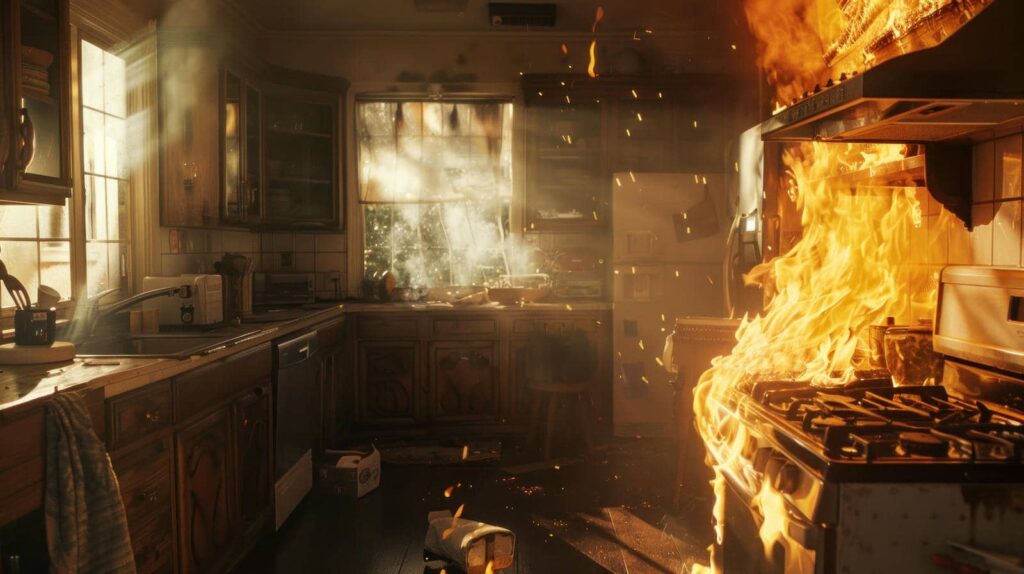
Effective fire damage cleanup and restoration require a methodical approach. Did you know that nearly 50% of house fires start in the kitchen? By evaluating damage, ensuring safety, and contacting professionals, you can greatly reduce the risks of future incidents. Removing smoke and soot, along with thorough cleaning, are critical steps in restoring your space. Stay proactive with fire safety measures, and regularly update your safety plans to protect your home and loved ones.