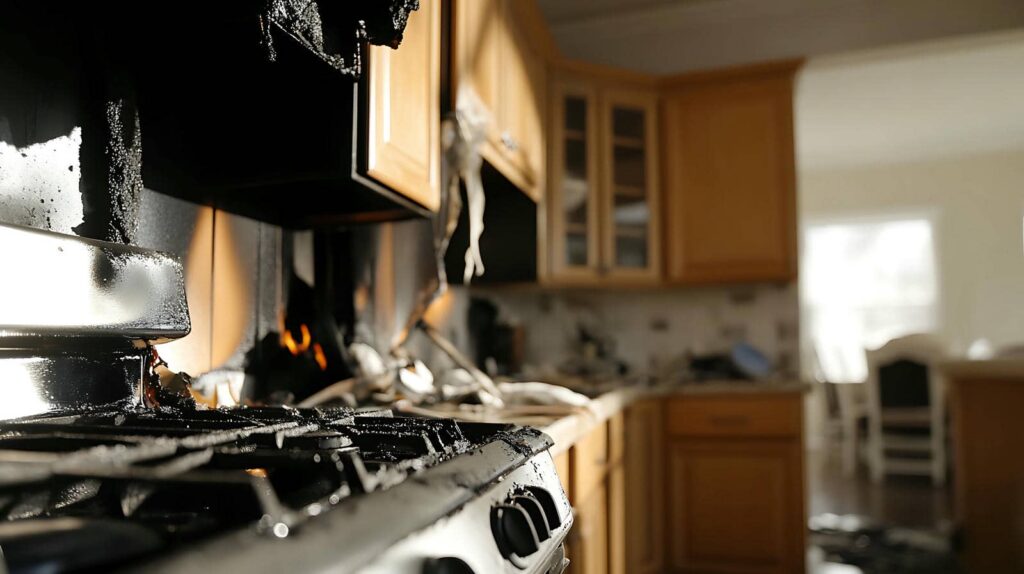
Smoke and soot cling to surfaces like a stubborn shadow, especially after water damage. To restore your space, you need a systematic approach. It starts with evaluating the damage and selecting the right tools. You’ll soon discover that soot removal requires more than just elbow grease. What techniques will effectively lift the residue? Let’s explore the best methods to keep your home clean and free of lingering odors.
Key Takeaways
- Inspect and document all affected areas for smoke and soot damage, including hidden spots behind appliances and in ventilation systems.
- Use high-quality cleaning products with surfactants and degreasers specifically designed for soot removal during the cleaning process.
- Start cleaning by vacuuming loose soot particles, then use damp sponges with mild detergent to tackle stubborn residue.
- Apply commercial odor neutralizers and use HEPA air purifiers to effectively eliminate smoke odors from the environment.
- Ensure proper ventilation and consider using exhaust fans to prevent future smoke and soot issues during cooking or heating.
Assessing the Extent of Smoke and Soot Damage
Before you begin the smoke and soot removal process, it’s essential to assess the extent of the damage to your property.
Start by inspecting walls, ceilings, and furnishings for visible soot residue. Pay attention to hidden areas, such as behind appliances or in ventilation systems, as soot can infiltrate these spaces.
Document your findings with photographs and notes, which will be vital for insurance claims. This thorough assessment helps determine the necessary cleaning methods and ensures you’re prioritizing fire safety.
Identify any structural damage, as this may require professional intervention. By understanding the full scope of the damage, you’ll be better equipped to restore your home and protect your loved ones from potential hazards.
Choosing the Right Cleaning Supplies
As you prepare to tackle smoke and soot removal, selecting the right cleaning supplies is crucial for effective restoration. Start by choosing high-quality cleaning products specifically designed for soot and smoke. Look for ones containing surfactants and degreasers, as these will break down the residue effectively.
Additionally, make sure you have a range of tools, including sponges, brushes, and microfiber cloths, to apply these products properly. Don’t forget to prioritize safety precautions; wear gloves, masks, and goggles to protect yourself from harmful chemicals and particles.
Ventilate the area well to minimize inhalation risks. By carefully selecting your cleaning supplies and adhering to safety measures, you’ll create a safer and more efficient environment for the restoration process.
Effective Techniques for Removing Soot From Surfaces
With the right cleaning supplies in hand, you can begin the significant task of removing soot from surfaces effectively.
Start by gently vacuuming the area to lift loose soot particles without spreading them. For stubborn residue, use a damp sponge with a mixture of water and a mild detergent; this aids in soot removal without damaging surfaces.
Always work from the top down to prevent dirt from settling on previously cleaned areas. For porous materials, a specialized soot cleaning solution may be necessary.
Deodorizing and Eliminating Smoke Odors
If you want to effectively deodorize your space after smoke exposure, addressing the odors quickly is essential.
Start by implementing these methods:
- Use Odor Neutralizers: Apply commercial odor neutralizers specifically designed for smoke smells to fabrics and surfaces.
- Invest in Air Purifiers: Utilize HEPA air purifiers equipped with activated carbon filters to capture smoke particles and odors.
- Ventilate Your Space: Open windows and doors to allow fresh air to circulate, pushing out stale smoke odors.
- Baking Soda Magic: Sprinkle baking soda on carpets and upholstery, let it sit, then vacuum to absorb lingering smells.
Preventing Future Smoke and Soot Issues
Addressing smoke odors is just the first step in maintaining a healthy indoor environment. To prevent future smoke and soot issues, implement effective ventilation strategies throughout your home.
Make sure that exhaust fans and windows are utilized, particularly during cooking or using fireplaces. Regularly inspect and maintain smoke detectors, as they play an essential role in fire prevention.
Keep flammable materials away from heat sources and practice safe burning techniques. Additionally, consider using air purifiers equipped with HEPA filters to capture particulate matter.
Frequently Asked Questions
Can I Use Bleach to Clean Smoke Stains?
You shouldn’t use bleach for smoke stains; its effectiveness is limited and can damage surfaces. Instead, consider alternatives like vinegar or specialized cleaners that target smoke residue more effectively while preserving your belongings.
How Long Does It Take to Remove Smoke Odors?
Removing smoke odors can take several days to weeks, depending on the severity. Effective removal techniques like deep cleaning, ventilation, and using odor-neutralizing agents greatly enhance your chances of success in eliminating persistent smells.
Are Professional Cleaning Services Necessary for Smoke Damage?
Like a skilled surgeon, professional cleaning services provide a thorough assessment of smoke damage. They use advanced cleaning methods that ensure complete restoration, giving you peace of mind and a clean environment you can truly belong to.
Will Insurance Cover Smoke Damage Cleanup Costs?
Insurance policies often cover smoke damage cleanup costs, but it depends on your specific coverage. Review your policy carefully and consult your insurance agent to ensure you’re fully informed about your coverage limits and exclusions.
What Should I Do if Smoke Damage Affects My Health?
If smoke damage affects your health, seek medical attention promptly. Focus on symptom management through clean air solutions, ensuring you minimize health risks and promote recovery.
Summary
By addressing smoke and soot residue swiftly, you can transform a space damaged by water into a clean, new environment. Picture the contrast: once-soiled walls now gleaming under revitalized light, and stale air replaced with a gust of freshness. Implementing these tips restores your home’s aesthetic and safeguards your health. Stay vigilant in your maintenance efforts to ensure the lingering smoke and soot don’t return, keeping your space as inviting as it should be.